Sometimes I can write three posts in a row; I feel everything I want to convey flows naturally and… some other times I’m at a loss for words.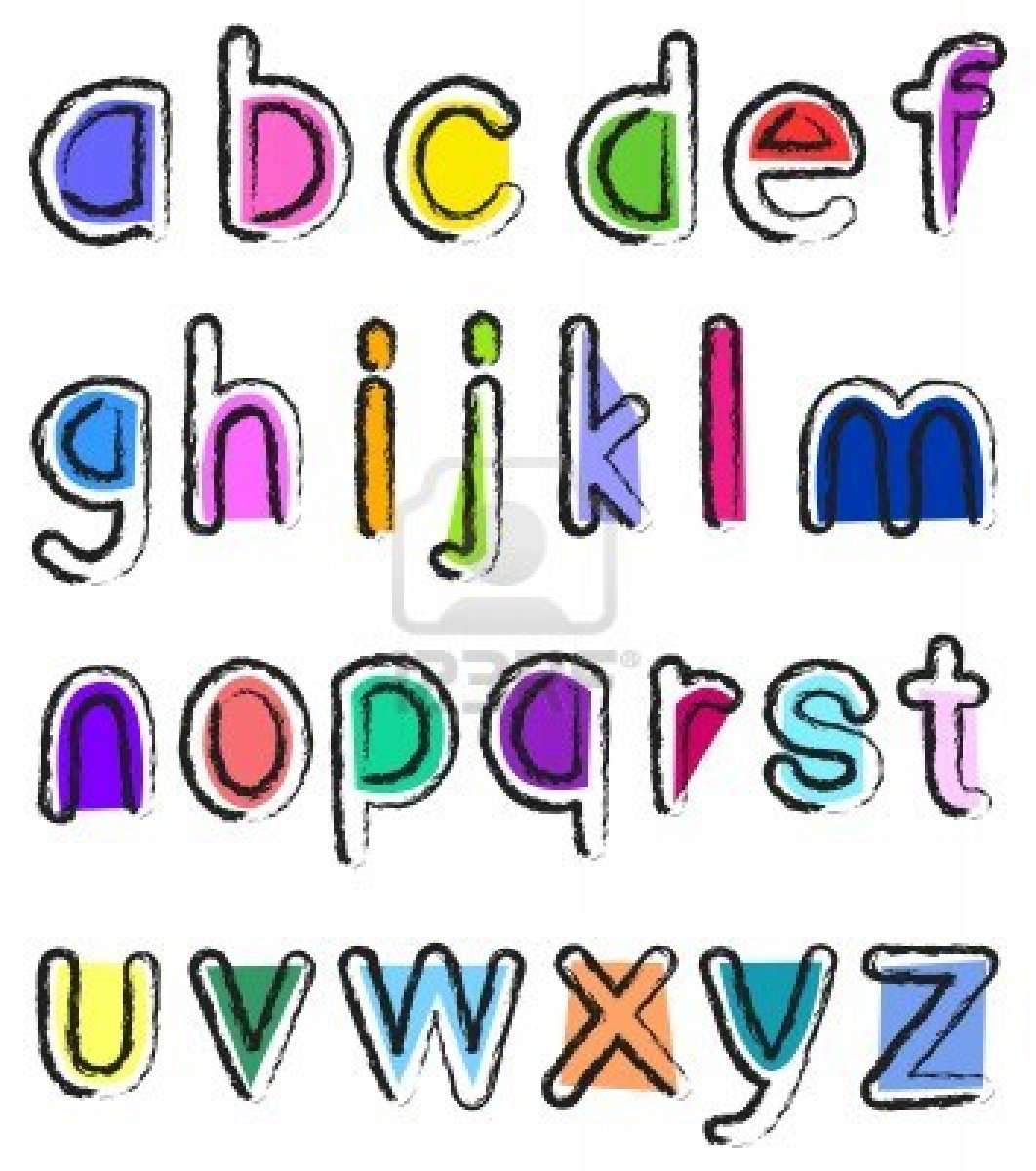 I know what I want to say but I don’t seem to find the right words. I write and cross off, write and cross off and the whole process is repeated all over again until I find myself wondering what the point of writing a lengthy introduction is when I can never be sure if there is anybody out there reading it. And then, this week three teachers from different parts of the world kindly wrote a line to let me know they are on the other side, and paying attention. Thank you, you cannot begin to imagine how motivating your words have been.
Learning the Alphabet is fun but even in Advanced Levels vowels still pose a problem, especially for Spanish students – our “i” /i/ is the English “e”, the English “i” is pronounced /ai/ and our “a” is pronounced /ei/. The letters “g” and “j” are also difficult and students find it difficult to hear the difference between “b” and “v”. That’s why it is important to dedicate some meaningful time to learning something so useful in everyday’s life.
These are the two activities I’m going to use this year to teach/revise the alphabet.
♥The first one is a video. I have found that adults still enjoy- or shall I dare say more than enjoy- clips aimed at little children. If you are an adult, watch the following clip to revise the alphabet and tell me what you think. You might need to remind students of a traditional nursery rhyme that goes like this
Baa baa black sheep, have you any wool?
Yes sir, yes sir, three bags full!
One for the master, one for the dame,
before playing the video.
♥The second activity is nothing to write home about. It is the world famous Hangman, but this year, played in groups and instead of displaying words, I’m going to try a short sentence:
Divide the class into two teams. You’ll need a red pen for Group A and a black pen for Group B ( or any different colour 😉 ). On the board write the gaps for two different words of any length ( or a short sentence). Group A and B take it in turns to choose one letter of the alphabet. If the letter is correct, fill in the gap (in red if it’s A’s turn and in black if it is B’s). If the letter is not contained in the selected words, start drawing portions of the hangman (remember red or black). The game continues until all the letters have been guessed or all the parts of the hangman are drawn. If groups manage to guess the words, count the number of red or black letters to announce who the winner is.
You might also want to have a look at what I did to teach the alphabet three years ago. Click here
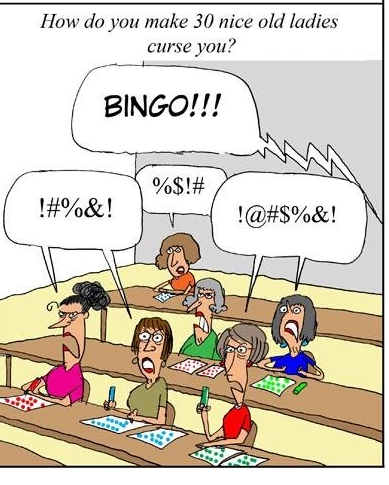
 I wonder why with so many different things you can do in a language class, we never did anything funny; well, occasionally, we did some fill in the blanks exercises with songs, but that’s it! I also wonder how, being our classes so boring, I ended up being a teacher.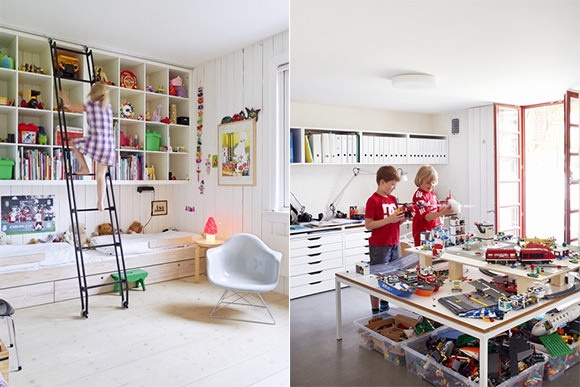
 Choose from a range of voices that interpret and read content with meaning and emotion. This text to speech tool is great to do dictations or revise vocabulary among other things.
 You might not believe it but it has been raining nonstop for more than two months now and I feel I need some sun to cheer me up. Added to this is the fact that I’ve been working mornings, afternoons, evenings and also two weekends in a row. Only today, I am quickly writing this post to leave again to go to work .
 superlative sentences as they can about the people in their classroom. At the end of the time period, have one group share their sentences. If another group has the same sentence as the first group, both groups should cross that statement off their list. Continue until all groups have read all of their statements and any duplicates are eliminated. The group with the most statements remaining wins.
 Once the sentences are completed, each person should write a list of the family members who appeared in their sentences. Students in pairs exchange the lists of people but keep their sentences to themselves. Each person should ask questions about their partner’s family and try to match each person to their superlative adjective. For example, a person might ask, “Is Lucas the oldest person in your family?” The other person should answer with a yes or an explanation. “No, Lucas is only four years old.” Give students time enough to ask each other questions, and then see who in your class figured out the most family member qualities!