Lots of learners find it difficult to ask questions in English and these little particles called “auxiliaries” are the ones to blame; hard to believe that such tiny things cause so much trouble, but the fact that students need to remember when and how to use them– or not to use them- makes it difficult even for some advanced learner to feel confident when asking questions in English.
Based on the classic game show “What’s my line?”, this game aims at improving students’ ability to ask yes/no questions in English, something most learners find difficult.
“What’s my line?” is a guessing game in which four panellists attempt to determine the occupation or the identity of a guest by asking only yes-no questions.
Rules based on the game and adapted to the classroom.
Divide the class in groups of five people. Four students are going to be the panellists and ask the questions (either to guess the identity of the famous person or the occupation), and the fifth student is going to answer their questions playing his given role. If you decide to play the variant of guessing a famous person’s identity, I would suggest having a list of famous people and letting the student choose who he wants to be.
A student (panellist) chosen by the teacher would begin the game. If his question elicits a “yes” answer, he continues questioning. When a question is answered “no”, questioning passes to the next student.
Students have the option of passing to the next and they can also request a conference, in which they have a short time to openly discuss ideas about occupations or lines of questioning.
To increase the probability of affirmative answers, students can phrase questions in the negative starting with “Can I rule out…?”
When after some intense questioning a student thinks he knows the identity or profession of the mysterious guest, he can say so and become the mysterious guest for the next round.
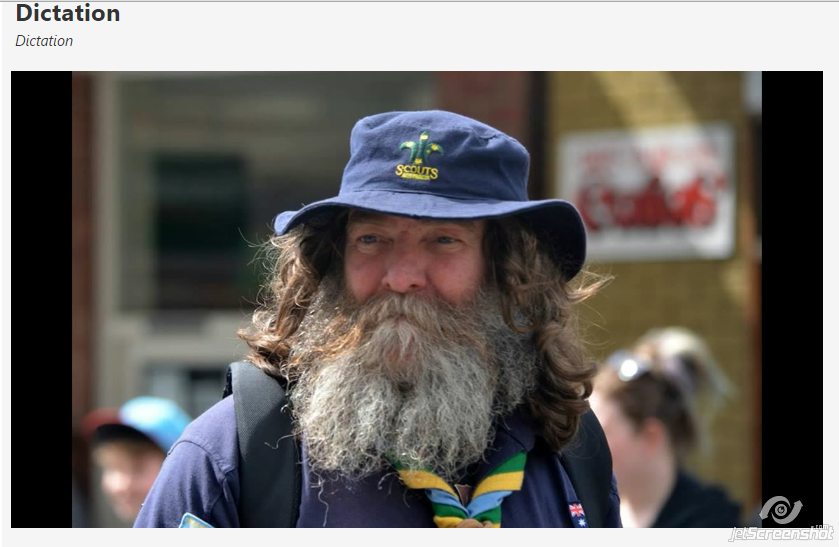
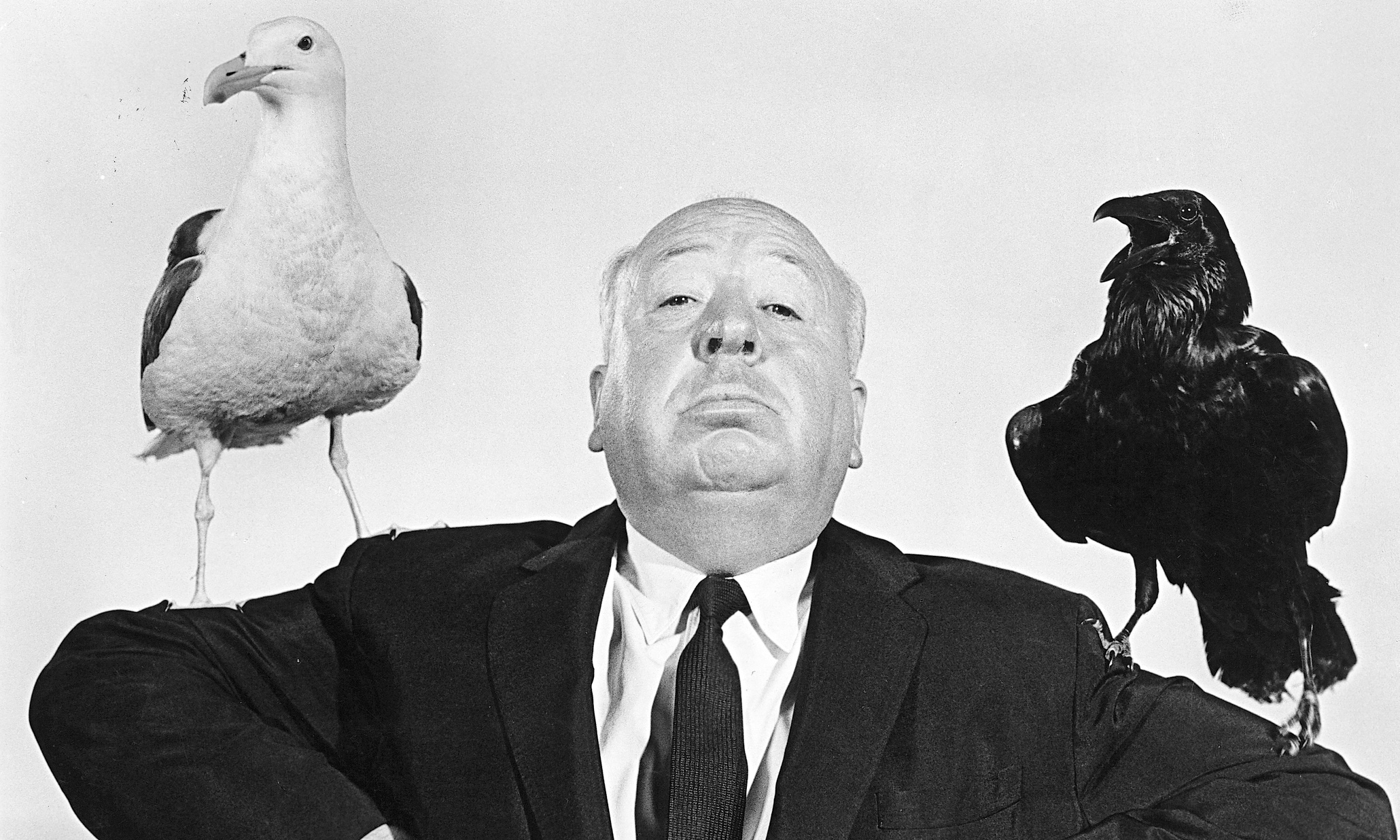
Before the game begins, play the video of the game where Salvador Dali is the mysterious guest.
Akinator, the Web Genie. Just as I was about to publish this post, I remembered that some time ago I used to ask my elementary students to play an online game that never failed to surprise me and that my students used to love. I recommeded it because it gave them practice to understand questions in English. I checked and it is still working. The name is Akinatorand he’s a genie. It goes like this: you think of a prominent person, celebrity or fictional character. Akinator will ask you up to twenty quetions and he’ll guess the person you have in mind. Check it out!
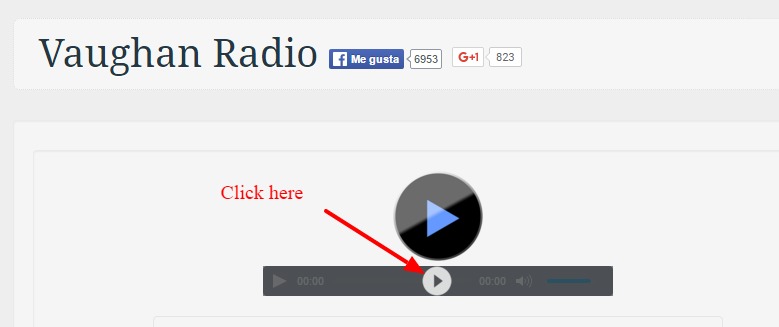
Today, I want to share with you a very nice user-friendly site to listen to the radio. With a simple click you can listen to the best live radio stations from the UK. In fact, you can listen to any online radio station in the world, but the focus here is on English, isn’t it?
Internet Radio UK lists all top online radio stations from the United Kingdom. On the right of the screen, you will see a menu with links to different radio stations in the UK.
This lesson is aimed at students with a language level of B2 (upper-intermediate) and focuses on revising, learning and using vocabulary related to homes, houses and rooms through a variety of engaging activities.
Task 1. Revising, introducing and using vocabulary.
♥ Part 1. Mind mapping.
Ask students to work in pairs. Write on the board a mind map as the one below to help them revise vocabulary related to this thematic area. Allow them some minutes to complete their mind maps and get feedback from the whole class, completing the mind map on the board with their suggestions. Then, give them handout 1, explain difficult vocabulary and ask students to talk about the kind of house they live in and their favourite room in the house.
♥ Part 2. A Game
This part requires some preparation. In advance, you need to find two rooms in a house belonging to two famous people.( see mine below)
Ask students to work in pairs. Student A faces the board and Student B sits with his back to it. Display the picture of a room with the OHP (if you do not have one, stick the picture on the board) and ask student A to describe it in as much detail as possible to his partner. Student B, using a clean standard A4, needs to draw the room. It would suggest beginning the description of the room by saying where the big things in the room are: windows, doors, sofas/beds etc….
Once they have finished, they compare with the original and have a good laugh.
Elicit some adjectives of personality and start a class discussion about how a room can reflect the owner’s personality. Ask students to try to guess what kind of person the room belongs to.
After the discussion, surprise your students by telling them it belongs to a very famous person in their country and ask them to guess who this person might be. Show them.
In this part, students in small groups will talk about some home-related issues. Questions will be introduced by short videos, which will hopefully encourage discussion.
♥ House of the future (I’ll use the first 3 minutes)
After watching, students discuss the video and these questions:
What will the house of the future be like?
Will we have robots to help with household chores?
Do you think houses will be more environmentally friendly in the future?
Houses use a lot of energy. What things could be done to make houses more energy efficient? What sort of energy do you think will be used to heat our houses?
♥ Renting out your house (I’ll just use the first two minutes of the video)
After watching, students discuss the video and these questions:
Have you ever used an accommodation sharing site?
Have you ever rented out a property to tourists? Would you do it? What are the pros and the cons?
Would you rent out a room in your house to a lodger? Why (not)?
If you had a property to rent out, what kind of lodger would you prefer and why?
♥ Pallet House Project
The inspiration for the Pallet House Project came from the fact that 84% of the world’s refugees could be housed with a year’s supply of recycled American pallets. With one and a half year of pallet production in the US alone, 33 million refugees can live in a Pallet House.
After watching, students discuss the video and these questions:
What strange materials do you know of that have been used to make houses?
Is homelessness a problem in your country?
How difficult do you think is for homeless people to find a job, or get a house?
There are about 10 ideas for posts on my to-write list, but this is definitely a post I have meaning to write for a long time and that for some reason or another I never got around to writing it.
This post is not about English; it has nothing to do with vocabulary or grammar. It is just a post featuring two tools that might come in handy.
♥ KeepVid might prevent you from having a nervous breakdown when after spending Sunday afternoon preparing activities with content from You Tube or any other video site for the coming week, you find that Internet is not working. Sounds familiar? Of course, as well-seasoned teachers we can always resort to plan B or plan C, but isn’t it terribly frustrating?
Keep Vidis a handy tool for downloading video. As they advertise on their site:
Keep Video Downloader is a free web application that allows you to download videos from sites like YouTube, Facebook, Twitch.Tv, Vimeo, Dailymotion and many more. All you need is the URL of the page that has the video you want to download. Enter it in the textbox and simply click ‘Download’. KeepVid will then fetch download links in all possible formats that the particular site provides.
Remember that if you want to download videos from Facebook, you will need the url. You can get it by right-clicking on the video to get its hidden url.
♥ Downsub.As for the second useful tool, how handy could it be to have a tool that downloads subtitles from YouTube? Very!
Well, this is what http://downsub.com/ does for you. The only thing you need to do is enter the url and choose the language.
Hope this blog post has been helpful! Keep posted!