It is still raining .
It is raining again today. Of course it is raining. This is Asturias and we don’t get to be the dear, green place – Asturias “natural paradise”- without more than our fair share of rain, but I’m beginning to get a bit sick with so much rain. I need the sun, or rather my mood needs the warm, delicious rays of the spring sun.
In class today, we need to deal with comparatives and superlatives.
This is the intermediate level so I don’t think, or perphaps it’s hopeful thinking, my students will need me to go over the rules for the formation of the comparative and superlative of adjectives and adverbs. Anyway, this is the easiest part; there are loads of sites on the internet with exercises to practise grammar.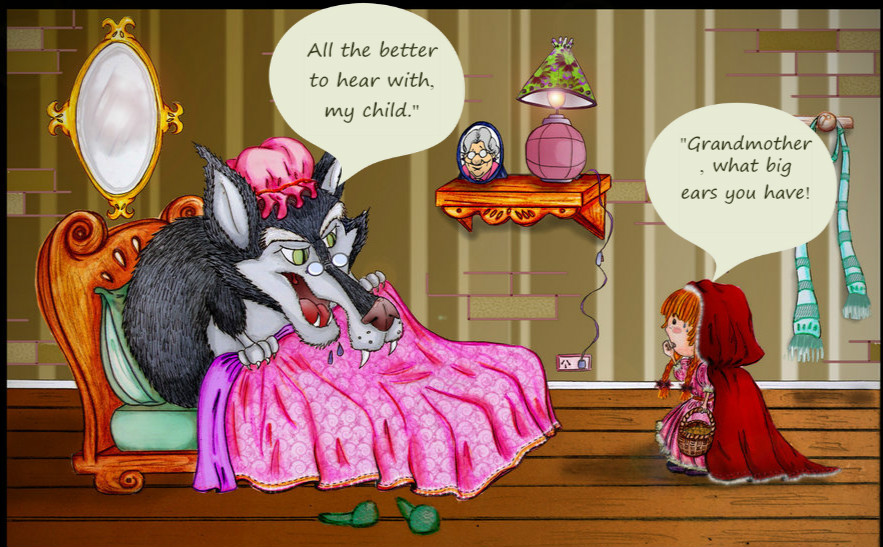
I want this class to be highly communicative. I want my students to leave the class telling each other. OMG ! I’ve lost my voice! I want them to leave my class sounding funny, hoarse even.
With these activities we’ll compare
- adjectives (taller than) , Grammar here
- nouns ( more people than,fewer rooms than, less pollution than) Grammar here
- adverbs ( more quickly than) Grammar here
- superlative of the adjectives. Grammar here
So, without further ado, let’s get down to some serious speaking
♥Activity One: The place where you live
I started this post talking about the weather in Asturias. I am pretty sure my students would share my feeling about so much rain. So, after sort of complaining about so many rainy days, I am going to ask them to compare living in Asturias (north of Spain) with living in Andalucia (south of Spain). I’ll lead this activity with students contributing with their ideas and this will help me correct what I hope will be little mistakes.
Activity 2 Look Around You Competition
Students in groups of three or four compare students in the classroom. Set a time limit of about 5 minutes for students to talk and on your signal each group of students should write as many comparative and superlative sentences as they can about the people in their classroom. At the end of the time period, have one group share their sentences. If another group has the same sentence as the first group, both groups should cross that statement off their list. Continue until all groups have read all of their statements and any duplicates are eliminated. The group with the most statements remaining wins. I owe this activity to Susan Verner.
Activity 3. Using Pictures to Compare
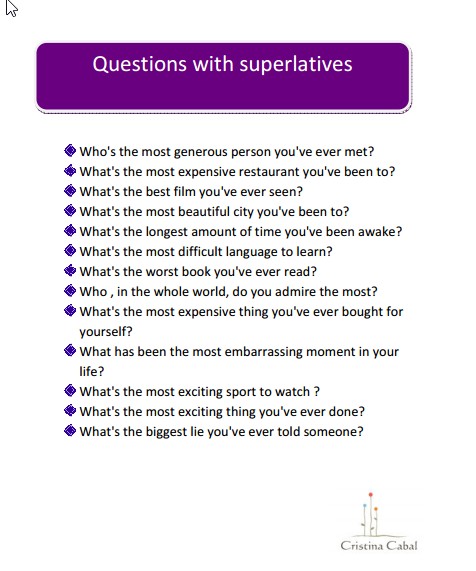
Get students in pairs or threes and ask them to discus the following questions . Click here to get the pdf
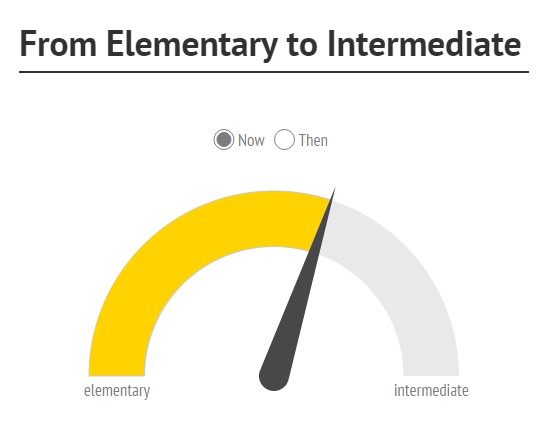 students move from an Elementary Level to an Intermediate one takes time and practice. One does not acquire the level in one day, you need to go step by step and you’ll need to climb all the stairs to be successful, there is no lift here.
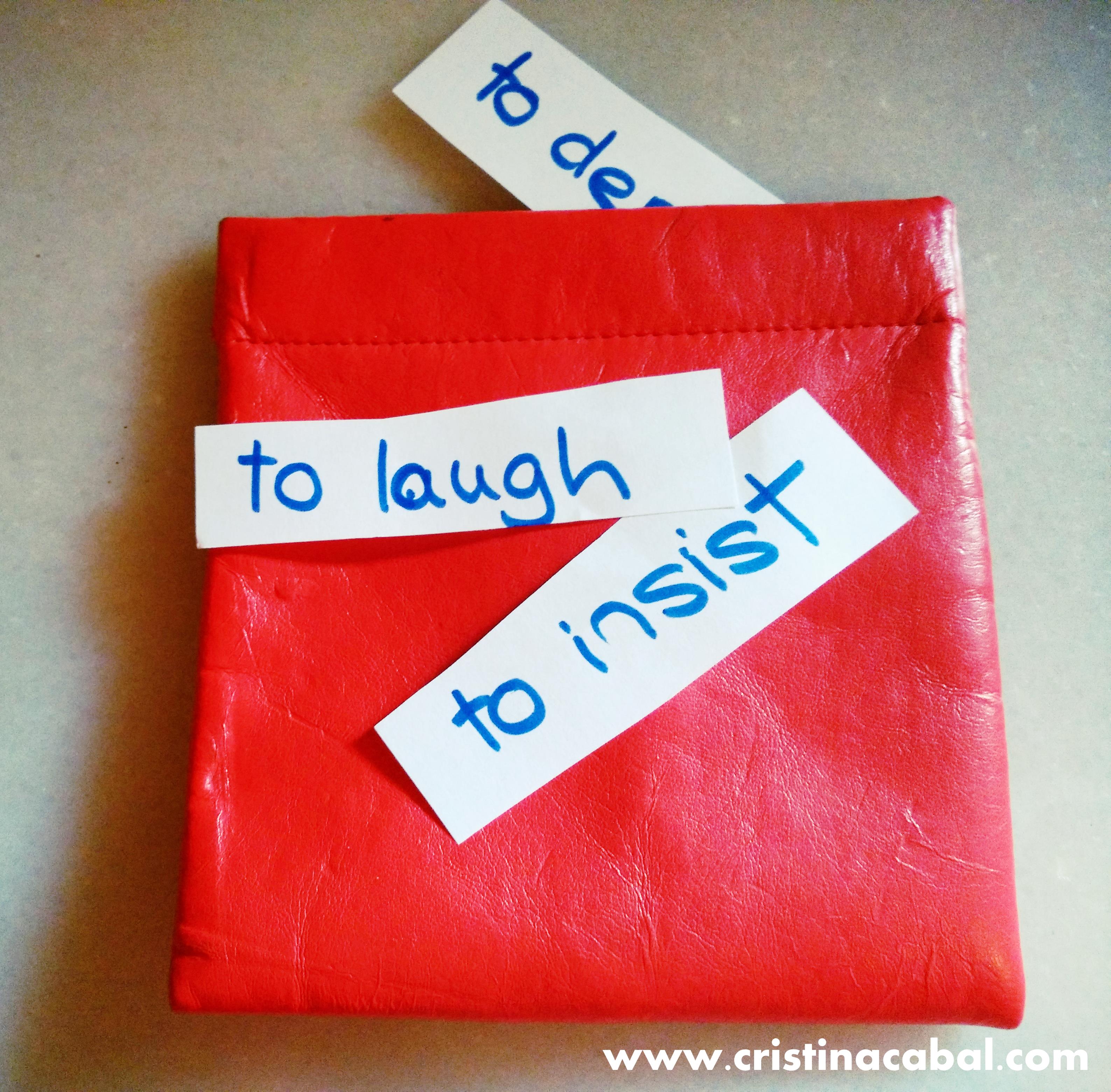
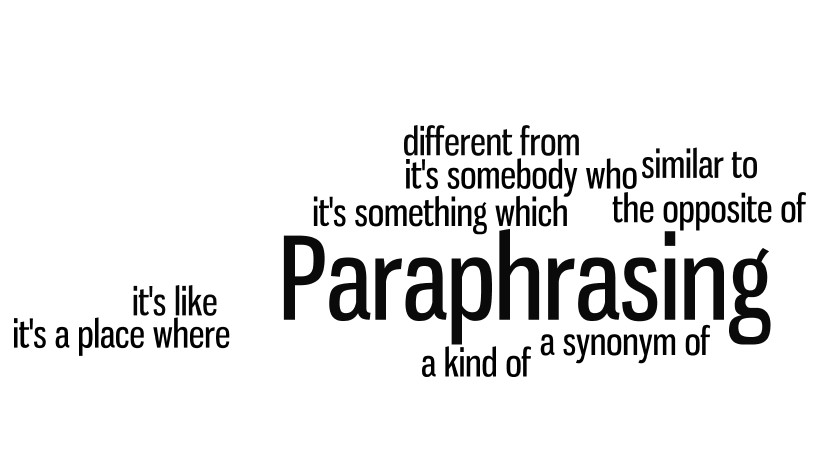
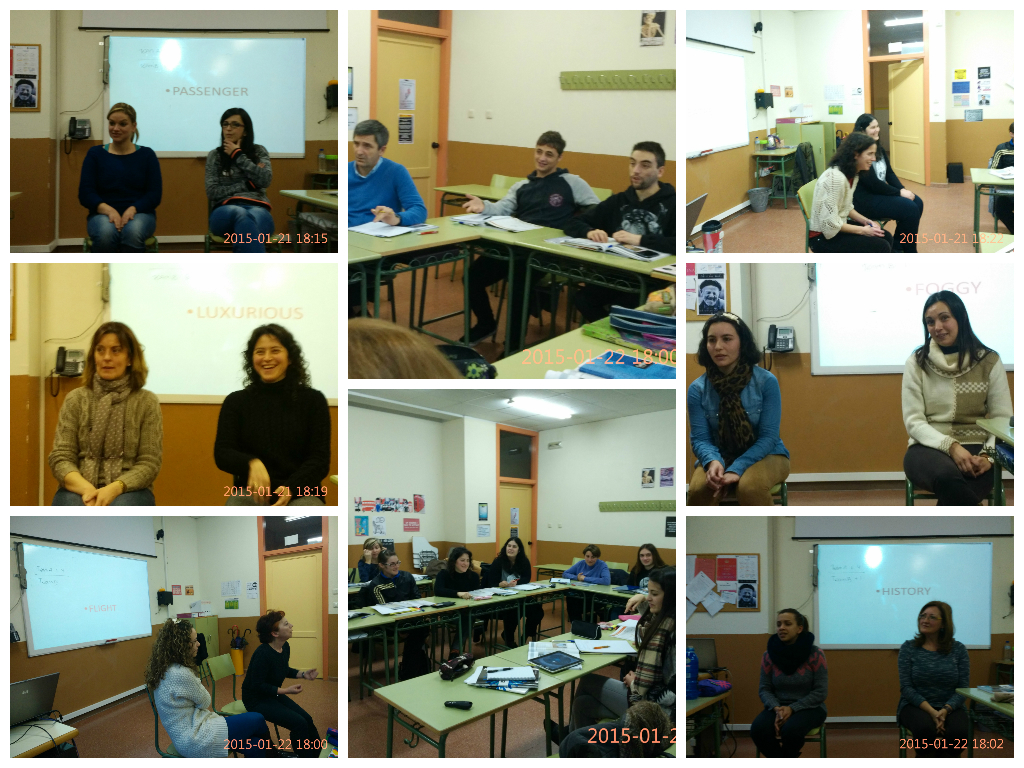
 during the 90 minutes is quite important to maintain their level of attention. In this sense, fortunately, teaching a language is not the same as teaching some other subjects where the range of activities you can do is a bit more restricted.
 I know what I want to say but I don’t seem to find the right words. I write and cross off, write and cross off and the whole process is repeated all over again until I find myself wondering what the point of writing a lengthy introduction is when I can never be sure if there is anybody out there reading it. And then, this week three teachers from different parts of the world kindly wrote a line to let me know they are on the other side, and paying attention. Thank you, you cannot begin to imagine how motivating your words have been.