I’ve been teaching for a long, loooong time and one might expect I don’t have to suffer from first-class stress . But I’ve come to terms with myself and admitted that no matter how long I’ve been in the business, it is always going to feel like having a bull ( past the butterfly feeling) in my stomach. So again, I’m hunting books ,posts, and the Internet for ideas to use on the first day to get to know my students and to give them the first chance to use the language. These are the ones I’m considering – in case you want to use them.
By the way, these are the ones I used last year if you want to have a look https://www.cristinacabal.com/?p=2694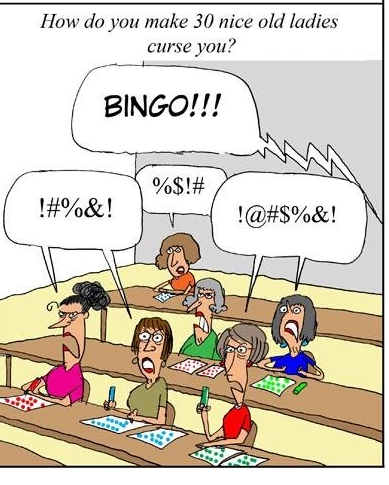
♥Interviewing your partner: Tell students they are going to interview four or five people they don’t know in the class. Ask them to write three or four questions to ask these people. Once it is done, students get up and walk around the classroom.
♥Get to Know you Bingo: this one requires a bit of preparation but it’s not like you are already loaded with exams, is it? Let’s play bingo, then! Now, the first thing you need to do is prepare a bingo sheet with some questions ( a grid of 4×4 , for example). Make sure students know how to play bingo- this is quite important, as you can guess. Students get up and walk around asking questions to everybody in the class but they have to have a different name for each grid. So if a student asks a question to a student and this student says “yes”, he should write the name of that student in the grid and move on; if the student says “no”, he can then ask this same student a new question. The first person to get a line down or across shouts “LINE” and the first person to fill in all the boxes with a name shouts BINGO.
I would , of course, encourage follow-up questions when checking, with the students providing the questions- of course.
♥Who Am I..? I love this game to introduce myself to my students. It is played in teams and there is a winner. If you have been reading me for some time you know I am very competitive; that must be the reason why I am definitely going to use this one this year. The game was written by Paul Adams and here is the link
♥Five Questions. Divide the class in five groups and ask each group to write a question they would like to ask you. In turns, one member of each group comes up to the board and writes the question. The students decide if the question is correct in terms of tenses, spelling …etc. Finally, the student asks the question. Before you tell them, give the students the chance to guess your answer.
♥Writing Sample – I’m thinking it might be a good idea to use this warm-up after doing some oral practice. The idea is to ask students to write a bit about themselves to get an idea of how advanced they are. Some ideas might be : Why are you learning English and why are you taking this course? or What’s your favourite hobby ?
Hope you can use some of these ideas!!!
 I wonder why with so many different things you can do in a language class, we never did anything funny; well, occasionally, we did some fill in the blanks exercises with songs, but that’s it! I also wonder how, being our classes so boring, I ended up being a teacher.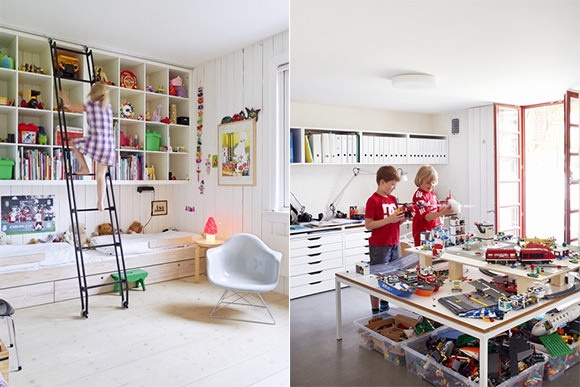
 Choose from a range of voices that interpret and read content with meaning and emotion. This text to speech tool is great to do dictations or revise vocabulary among other things.
 You might not believe it but it has been raining nonstop for more than two months now and I feel I need some sun to cheer me up. Added to this is the fact that I’ve been working mornings, afternoons, evenings and also two weekends in a row. Only today, I am quickly writing this post to leave again to go to work .
 superlative sentences as they can about the people in their classroom. At the end of the time period, have one group share their sentences. If another group has the same sentence as the first group, both groups should cross that statement off their list. Continue until all groups have read all of their statements and any duplicates are eliminated. The group with the most statements remaining wins.
 Once the sentences are completed, each person should write a list of the family members who appeared in their sentences. Students in pairs exchange the lists of people but keep their sentences to themselves. Each person should ask questions about their partner’s family and try to match each person to their superlative adjective. For example, a person might ask, “Is Lucas the oldest person in your family?” The other person should answer with a yes or an explanation. “No, Lucas is only four years old.” Give students time enough to ask each other questions, and then see who in your class figured out the most family member qualities!