TALL. This simple idea is easy to remember: if a thing is higher than it is wide, then we use Tall .
People , trees , ladders, street lamps, buildings with a lot of floors are Tall
I am 1,70 cm tall
I live in a very tall building. It has 20 floors
HIGH: we use high for things which are wider.
There are some high mountains in Austria
Prisons have very high walls
A BIT MORE?
When talking about measurements, Tallis used for people and Highfor things. So, as you can see there are things that can be “tall” or “high” depending on the context
I am 1,70 cm tall
This building is 25 m high (tall) / I live in a very tall building
The adjective High is used when talking about distance above the ground
The shelf is too high for me to reach. Can you help me?
Parts of the body are long, not tall
TEST YOURSELF
The clouds are very ... today
high
[collapse]
This park has very ... trees
tall
[collapse]
The woman is six feet ___
tall
[collapse]
What is the ___mountain in the world?
highest
[collapse]
This building is 75 metres ___
High ( we are talking about measurement)
[collapse]
This is a very ___ building. It has 30 floors.
tall (higher than wide)
[collapse]
The fence was too ___for a man of his age to climb
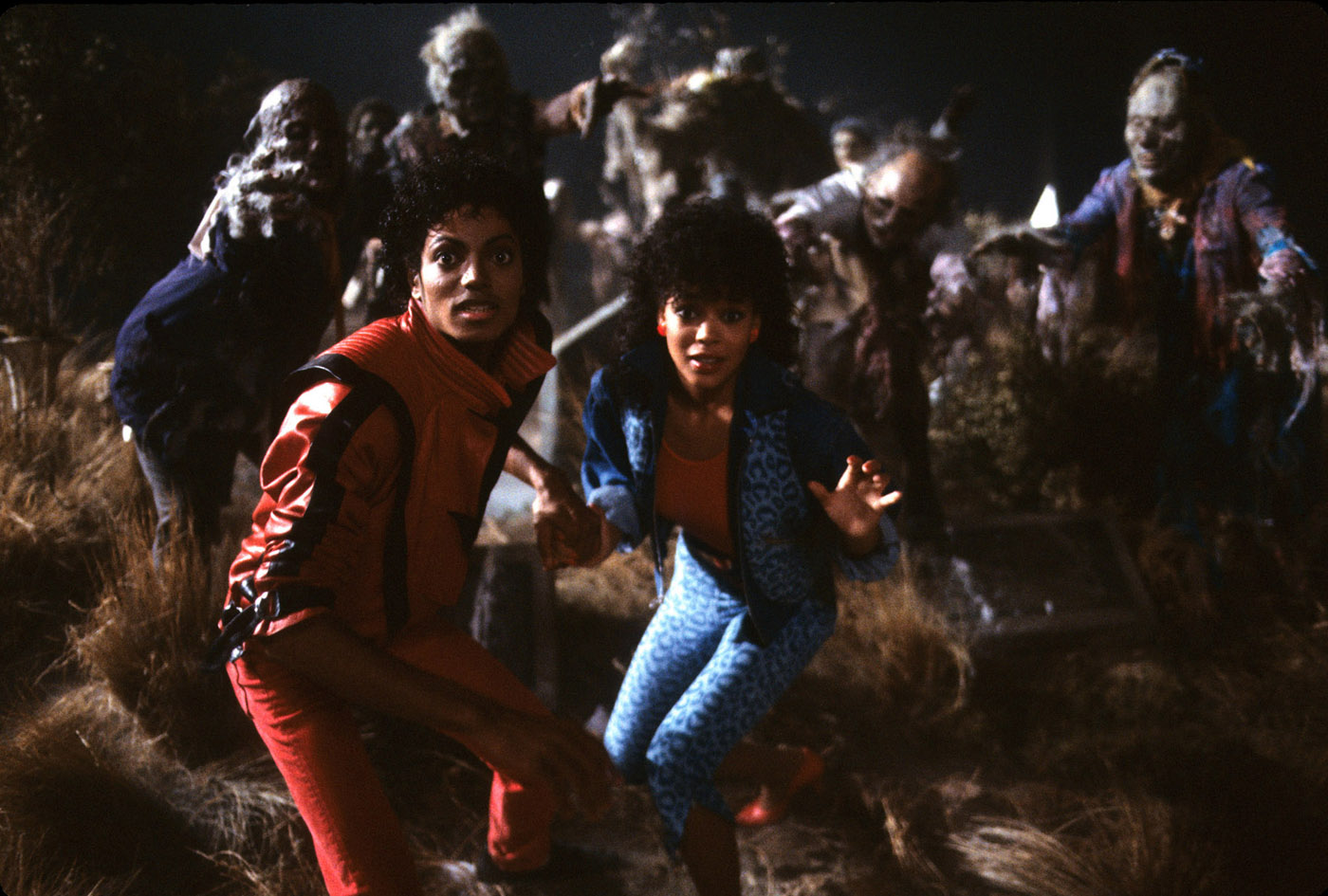
Raise your hand if you have never seen Michael Jackson’s Thriller video. No hands? Right! Just what I thought! You might like it or not, but what is undeniable is that this video has become a classic.
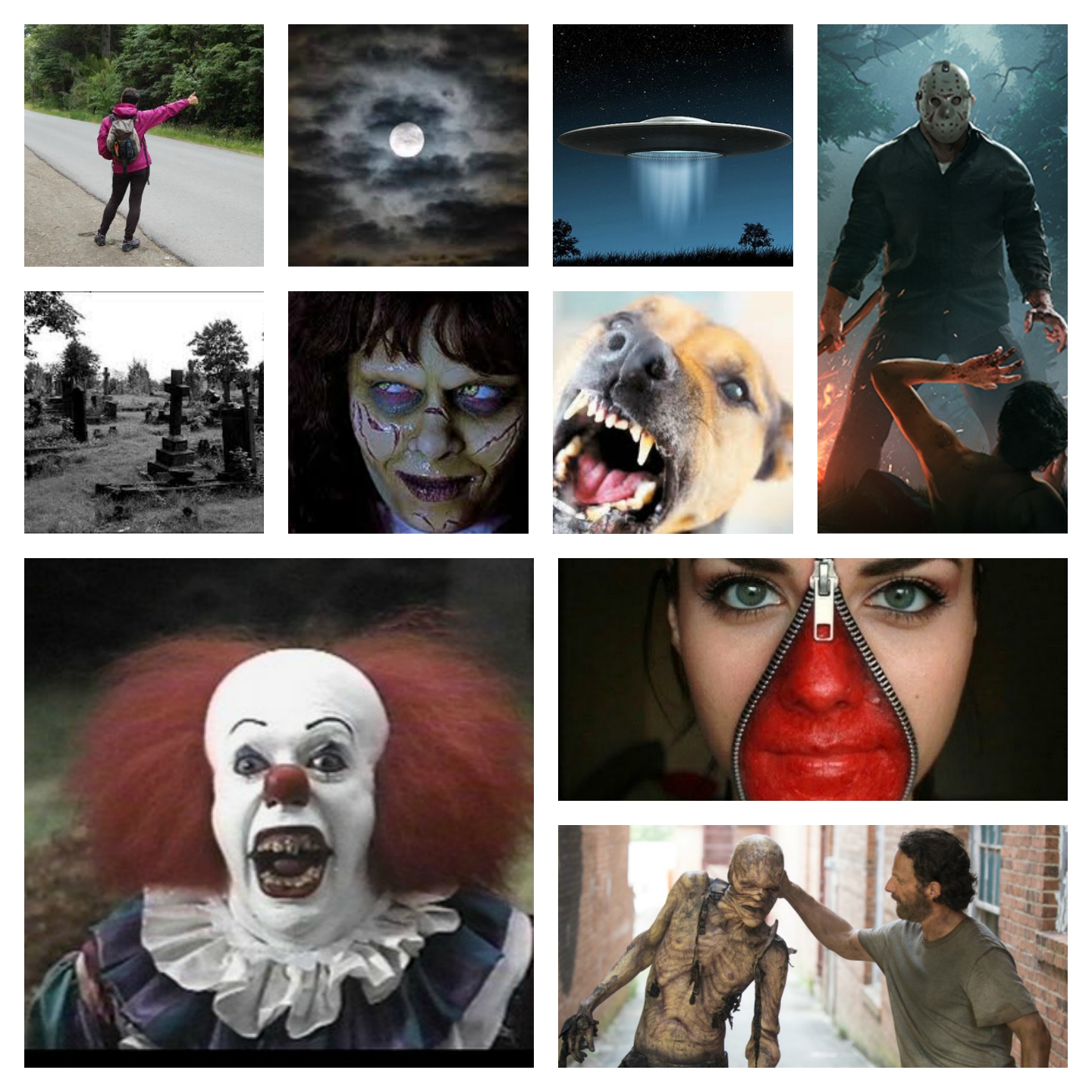
I was racking my brains about the activity I could give my students for Halloween this year when suddenly the image of the undead rising out from their graves in Michael Jackson’s “Thriller” appeared in my mind out of nowhere. Yeah! I know! Weird!
A spooky video but also a masterpiece. I hope you enjoy the activity and also the homework.
Level: Intermediate to Advanced
Time required: about 60 minutes
SETTING THE ATMOSPHERE.
Ask students some of these questions:
Do you believe in ghosts? Do you know any stories about ghosts?
Has anything ever happened to you that you cannot explain?
Do you believe that vampires or zombies exist?
What is the most frightening experience you have had?
Ask students if they know who Michael Jackson was. Can they name any of his songs? Most probably students will know who Michael Jackson was and will probably mention the song “Thriller”. If you deem it appropriate, give students some information about this video, like for example, that it was voted the most influential pop video of all time.
The video lasts about 13 minutes. It is going to be divided into two parts, with a different task for each part .
TASK 1. Dictation (from the beginning to 4.40)
Tell students they are going to see the first part of the video where there is a dialogue between Michael Jackson and his girlfriend. Half the class will take Michael’s role and half the class the girl’s role.
Have the students work in pairs. Half the pairs in the class will write down the part of Michael Jackson and the other half the part of the girlfriend.
I suggest you give students the beginning of the dialogue as M. Jackson’s first sentence might be difficult to understand.
Jackson: Honestly, we’re out of gas.
Girlfriend: So, what are we going to do now?
You might need to play it twice.
Students help each other complete the dialogue
Pair students once again, this time you want to pair a student with Michael’s part and a student with the girlfriend’s part.
Ask students to act it out.
TASK 2. The Song (from 4.40 until the end)
Write/display the following words on the board and ask students to guess meanings. Explain if necessary and drill pronunciation.
Play the song and ask students to fill in the gaps with the words in the box. Words can be used more than once.
Play the video a second time
Students complete task 1 and try to fill in the blanks for the words in phonemic transcription.
Check and listen again to enjoy the video and maybe… sing along?
TASK 3. The homework
I am well aware that I won’t be able to check this homework and I am also pretty sure my students, which are all adults, won’t be volunteering to show how much they have learnt from doing this homework, but I guess that at home they will be having a great time and that’s important too. Enjoy!
Open to all my students at intermediate level until October 31st!
Are you willing to try your hand at writing a short scary story in English? This could be your chance to be internationally known. Who knows who might be visiting the blog and reading your stories. You might end up being a well-known writer !!!
Yeah! I know ! Probably too far-fetched ! But, what is undeniable is that this activity can help you improve writing and this is what really matters!
As in every single contest of some importance, there are RULES. These are mine:
Please ensure you read the rules carefully before entering the competition.Entry implies acceptance of all the rules and failure to comply may result in disqualification.
♥Theme: a scary/horror story
♥Stories must be written in English
♥Stories must be entirely your own work and must be previously unpublished
♥Only one entry per person can be submitted
♥ Stories may be of any length
♥Stories shall be titled
♥Submit your story via email by 11.50 p.m on October 31, 2015. Late entries will not be considered. Please, don’t paste your work into the body of the email, send it as an attachment with your name in the upper left-hand corner of the page
♥Prizes to be determined
♥Winners will be announced the first week of November, online and on this blog
Music can also help you a lot with your English. Here’s this beautiful song by Kelly Clarkson. Enjoy it and listen very attentively to the chorus. You’ll hear our targeted grammar point.
STEP 1. VOCABULARY. You can download the pdf here.
To talk, you need words. These are the words I think my intermediate students will probably need.
Adjectives
fresh fish
frozen lasagne
low-fat /high fat cheese
raw fish
spicy chicken
takeaway pizza
tinned meatballs
ready-made dish
delicious /nice taste
it’s nice/ it’s disgusting
fizzy drinks
healthy/unhealthy food
fatty food
Verbs
to eat out
to eat sensibly
to cut down on sugar
to cut out sugar
to be on a diet
to lose weight
to put on weight
to order food
to take vitamins
to take food supplements
to try new food
to contain vitamins and minerals
to have a balanced diet
Nouns
(food that is high/low in) carbohydrates “carbs”
(rich/high – low/poor in) proteins
(high in ) sugar
eating habits
a nutritionist
fats
STEP 2. LISTENING COMPREHENSION
At this level, students know what a “vegetarian” is. So write the word VEGETARIAN on the whiteboard and ask students if they know any vegetarians and if they do, what it is like for them when they eat out. Write the word “veggie” and explain that it is another term for vegetarian. Play the listening below, just for fun! It only lasts 36 seconds and it is worth every second of it!
The word “vegetarian” is a blanket term used to describe somebody who does not eat meat, poultry, fish or seafood. But then, within this term there exist different sub-groups. Ask students if they know any of these sub-groups and if they think a diet without meat is better than a diet with it.
Tell students they are going to do a listening comprehension about the different types of vegetarians.